大東流合気柔術
Daitō-ryū Aiki Jūjutsu
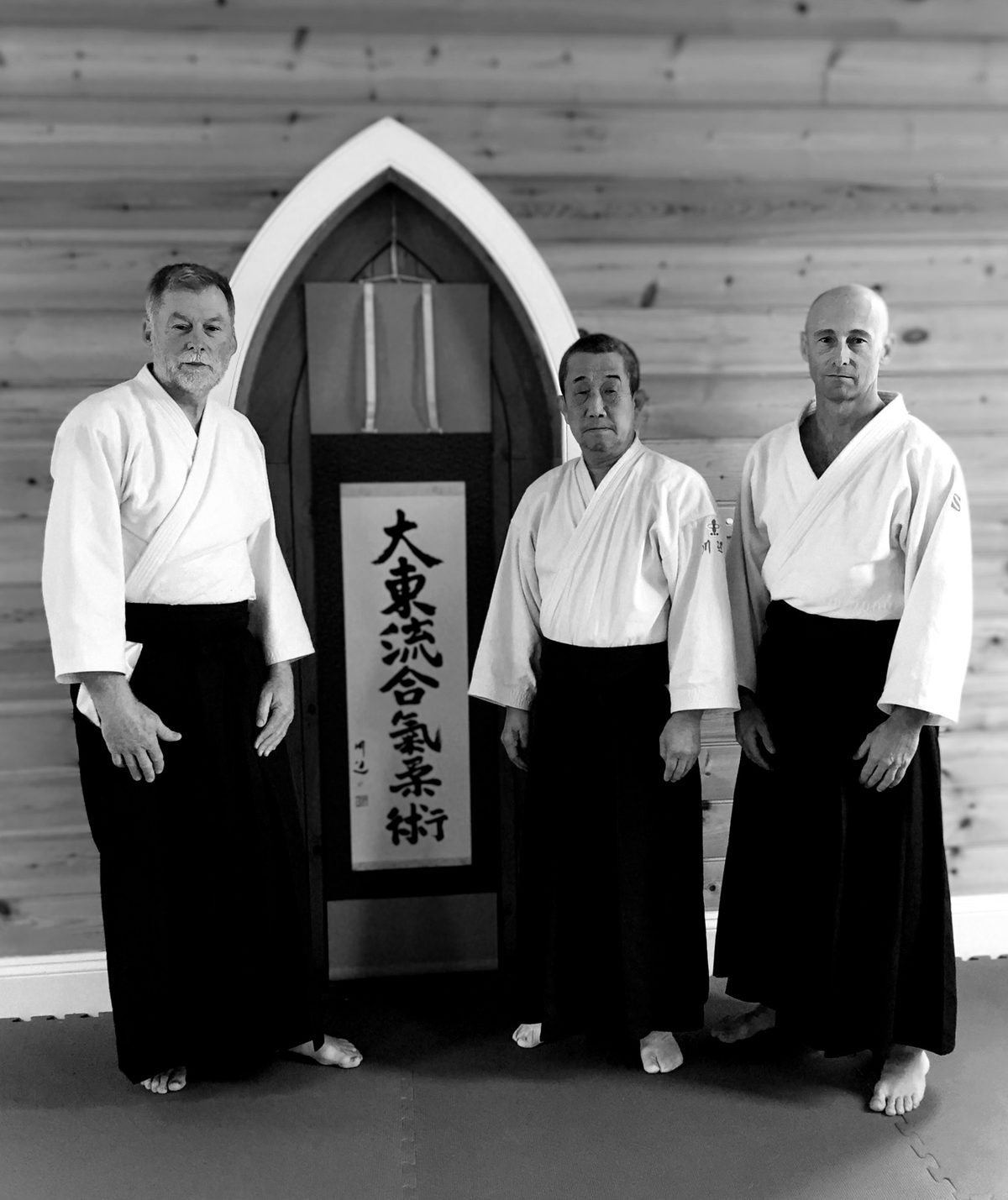
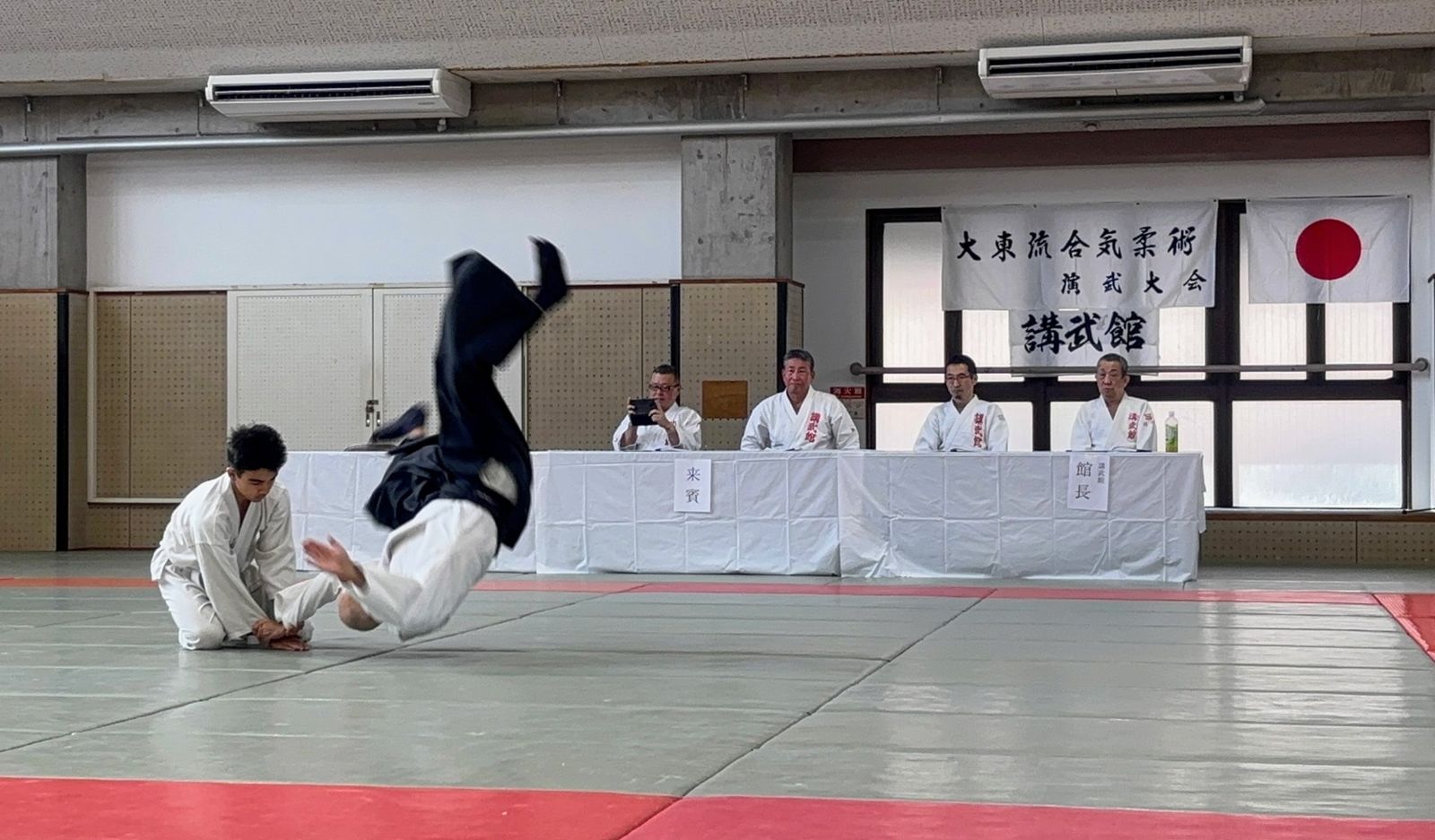
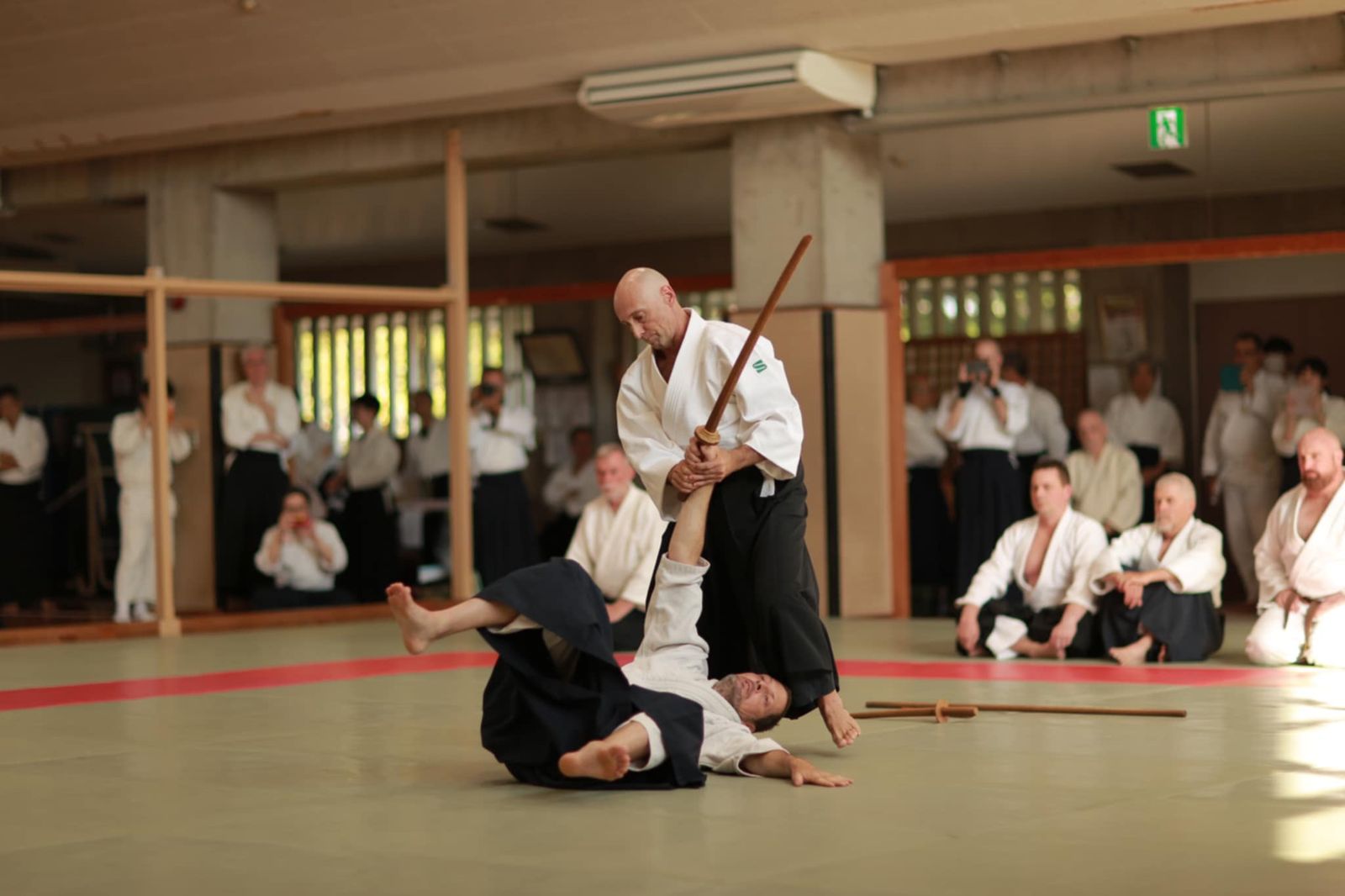
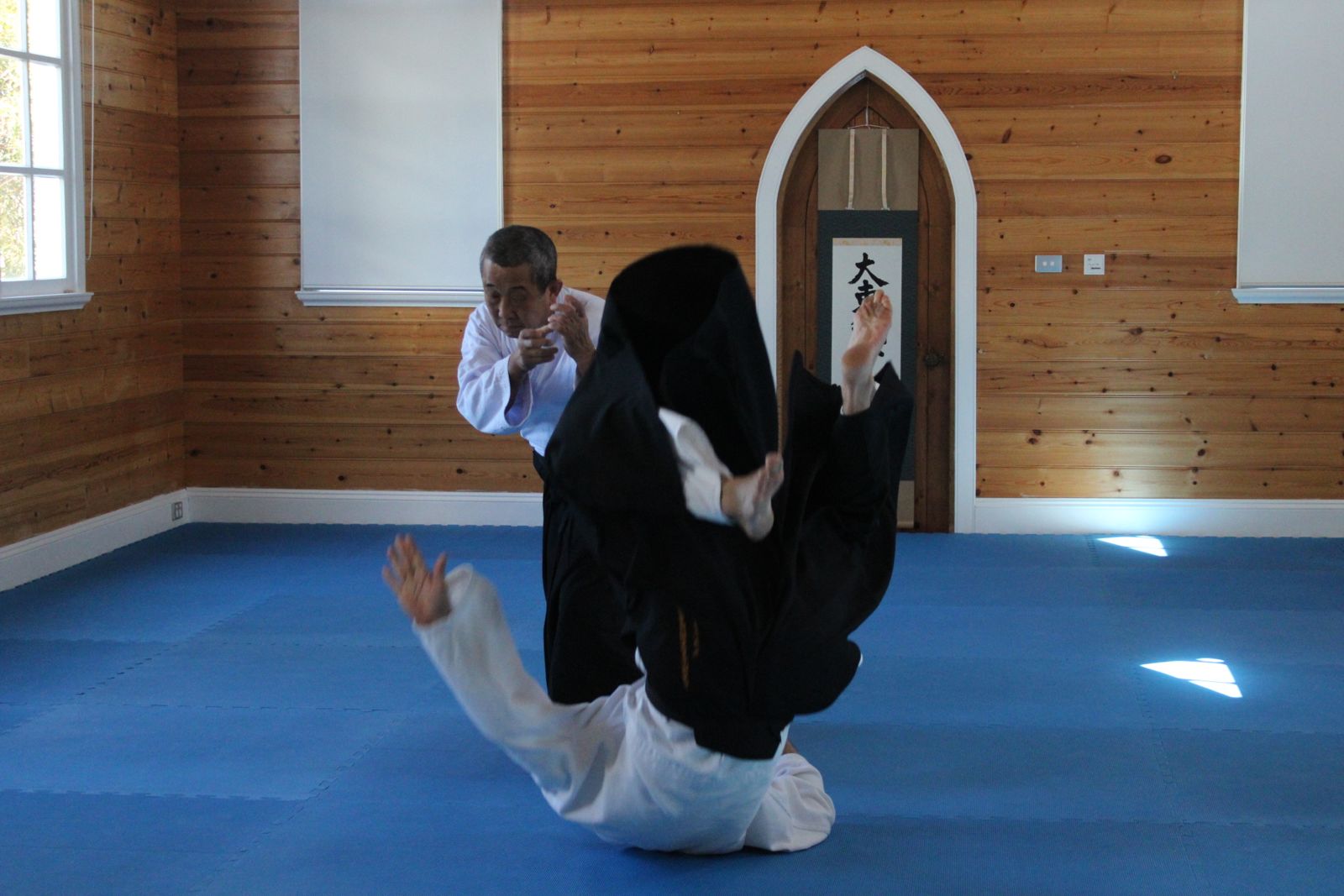
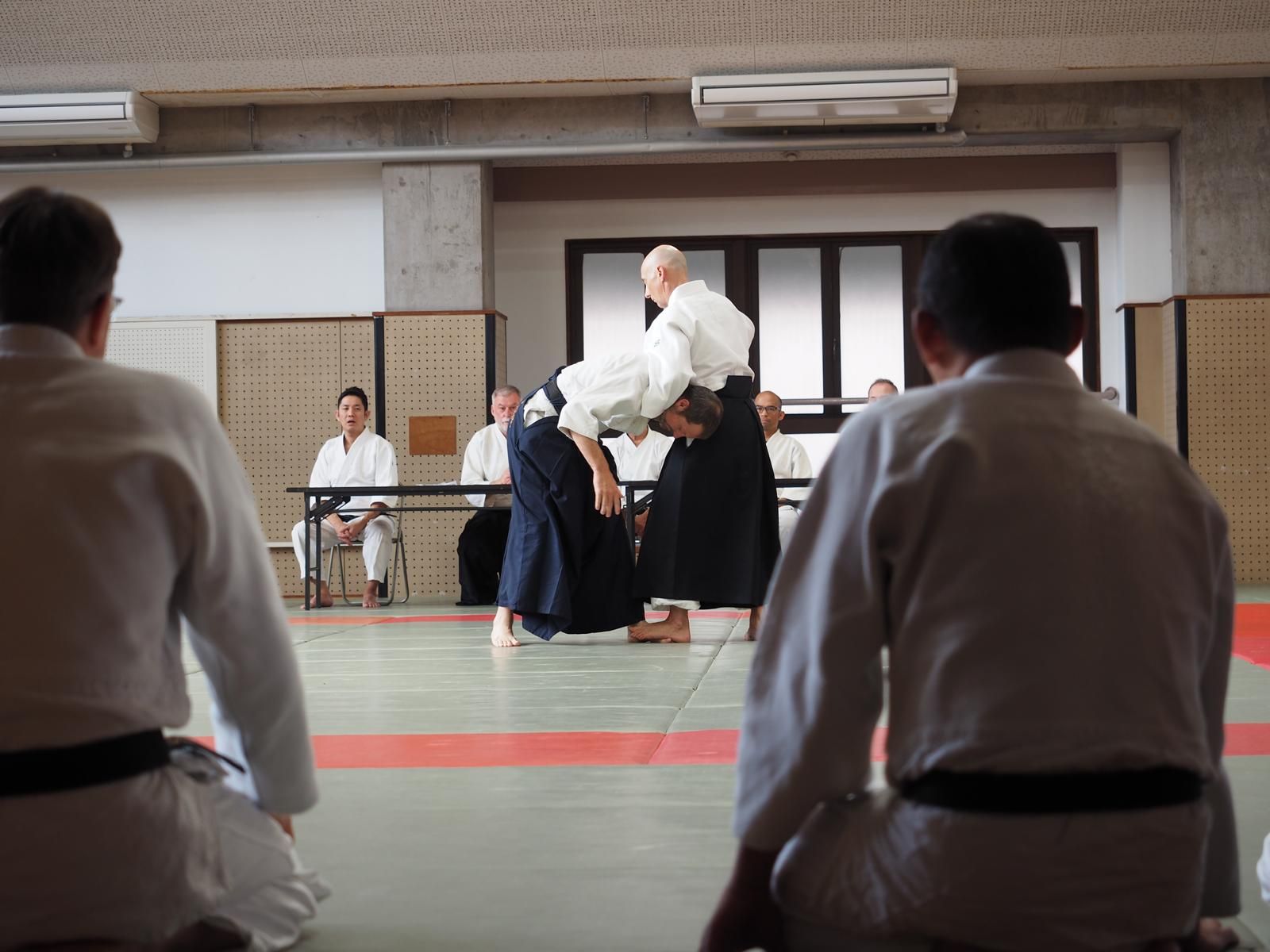
A jūjutsu of joint locks, pins and throws that relies on timing, body alignment and control of the partner's balance rather than strength. It was taught across Japan by Takeda Sōkaku (1859 to 1943). His direct students Hisa Takuma and Nakatsu Heizaburō passed it to those who founded the Takumakai, and Hisa's photographic record of Takeda's techniques became the Sōden. Kawabe Takeshi Shihan's Kōbukan grew from these Takumakai origins.
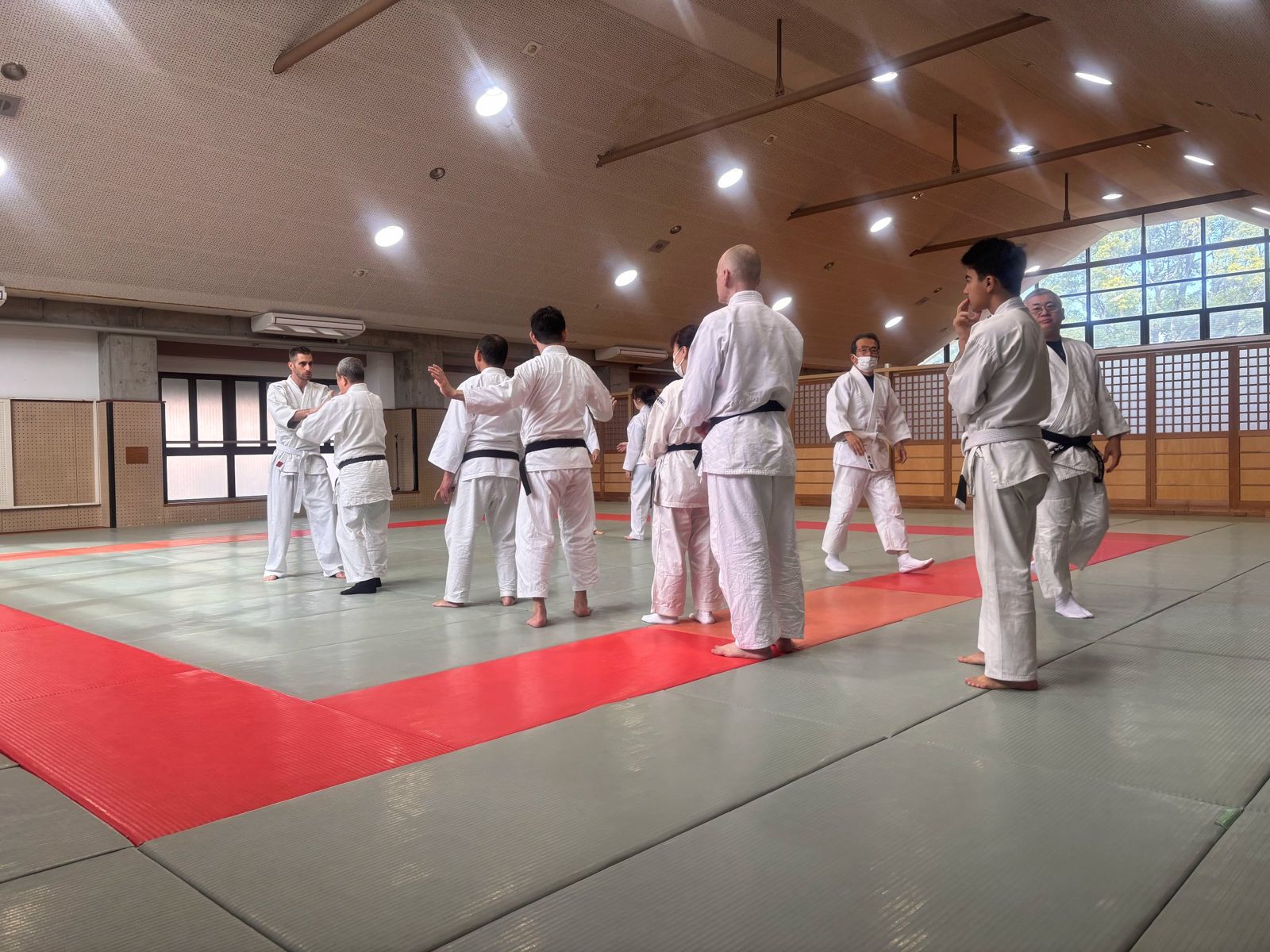
Ku Dōjō trains in both the Shoden and Sōden curricula. The same waza are practised at three levels: as jūjutsu, as aiki jūjutsu and as aiki no jutsu. The form may look the same, yet its focus, its engine and its effect on the partner change at each level, moving from the mechanics of jūjutsu towards the subtler workings of aiki: neutralising force rather than meeting force with force. Daitō-ryū is the root from which much of modern aikidō grew.